The Benefits of Robotic Welding in Manufacturing and Why It's Growing
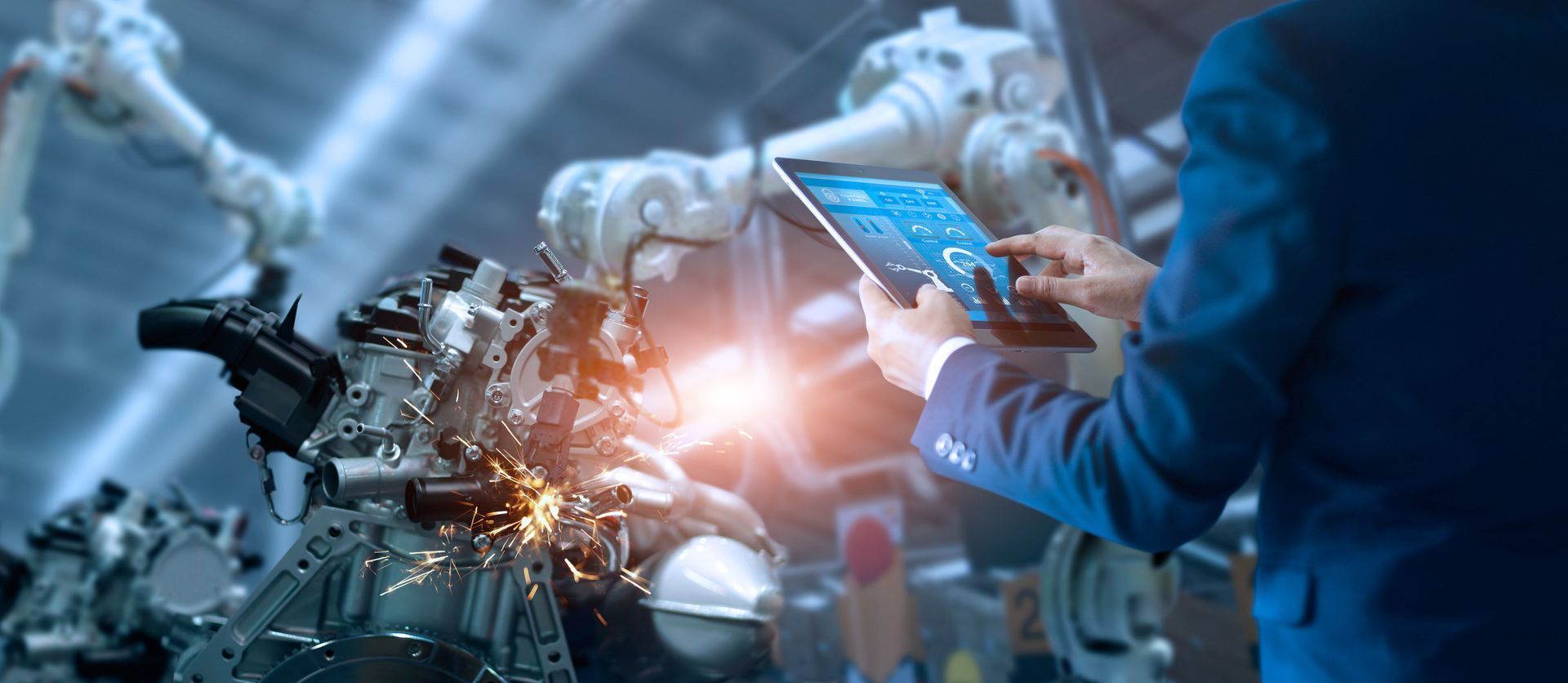
The manufacturing landscape is undergoing a massive transformation, driven by the need for higher precision, faster turnaround times, and cost-effective production methods. As industries strive to meet increasing global demands, traditional manual techniques are frequently being supplemented or replaced by advanced automated technologies. At the forefront of this industrial evolution is the robotic welding service. This technology has shifted from a luxury reserved for massive automotive assembly lines to an accessible, essential asset for fabricators of all sizes. By integrating automation into the fabrication pipeline, companies can achieve levels of uniformity and speed that were once considered impossible. Understanding the core advantages of this shift explains why so many sectors are rapidly adopting automated manufacturing solutions to secure their competitive edge.
Automation addresses many of the inherent limitations of manual fabrication, particularly regarding stamina and environmental hazards. While human welders require breaks, experience fatigue, and face safety risks from fumes and intense heat, automated systems can operate continuously with minimal downtime. This transition does not eliminate the need for skilled tradespeople; rather, it elevates their role to programmers and quality supervisors. As a result, the overall output of a production facility increases exponentially while maintaining a safer, more controlled shop floor. The growing reliance on a specialized robotic welding service highlights a broader industry trend toward maximizing efficiency and optimizing workforce allocation in a highly competitive market.
Enhancing Production Speed and Throughput
One of the most immediate advantages of implementing automation in a production facility is the dramatic increase in manufacturing velocity. Automated systems move from one joint to the next with incredible swiftness, executing flawless joins in a fraction of the time it takes a human operator. This rapid cycle time allows manufacturers to fulfill large orders much faster, shortening supply chains and improving customer satisfaction. Furthermore, these machines do not suffer from fatigue, meaning production can continue through the night or during weekends without a drop in performance. By utilizing a dedicated robotic welding service, companies can effectively double or triple their daily output, allowing them to take on larger contracts and expand their market reach without a proportional increase in labor costs.
The speed of automated systems also introduces a high degree of predictability to project timelines. When every cycle takes the exact same number of seconds, production managers can schedule downstream processes like painting, assembly, and shipping with absolute certainty. This eliminates the bottlenecks that frequently plague traditional manufacturing environments where manual output might fluctuate day by day. The accelerated throughput ensures that tight deadlines are met consistently, positioning businesses as reliable partners in their respective supply chains. As fast turnarounds become a standard market expectation, the reliance on high-speed automated fabrication continues to climb across all industrial sectors.
Achieving Superior Part Consistency and Uniformity
In modern manufacturing, variance is the enemy of profitability. Even the most skilled manual technicians will introduce minor variations from joint to joint over the course of a long shift. Automated arms, conversely, follow precise digital paths with mathematical repetition, ensuring that the thousandth weld looks identical to the very first one. This extreme consistency minimizes structural defects, reduces the need for expensive reworking, and drastically lowers material scrap rates. Industries that require strict adherence to tight tolerances, such as aerospace, defense, and heavy equipment manufacturing, find that a robotic welding service is indispensable for meeting their rigorous quality standards.
This uniformity also translates directly to better aesthetic appeal and structural integrity for the finished product. Uniform beads require less post-weld grinding and finishing, saving valuable time and reducing the consumption of abrasive tools. When every part matches the engineering blueprint perfectly, secondary assembly processes become much smoother, as components fit together without forcing or manual adjustments. The elimination of human error in critical joints ensures that products perform reliably under stress, reducing warranty claims and enhancing the long-term viability of the manufactured goods in end-use applications.
Optimizing Material Usage and Reducing Consumable Waste
Manual fabrication often leads to significant waste in the form of over-welding, excessive filler metal usage, and wasted shielding gas. A robotic welding service is programmed to use the exact amount of consumables required for each joint, down to the millimeter and milligram. By controlling the wire feed speed, voltage, and travel speed with absolute precision, these systems eliminate the excess material application that commonly occurs during manual operations. Over time, the savings on filler wire, specialized gas blends, and power add up to a substantial reduction in overall manufacturing overhead.
In addition to saving raw materials, automation contributes to a much cleaner and more sustainable production environment. According to the Clarion Ledger, modern welding robots incorporate energy recovery systems, optimized motion planning to minimize power consumption, and efficient power sources that reduce electricity usage by up to 30% compared to previous generations. This combination of material conservation and energy efficiency helps manufacturers lower their carbon footprint while simultaneously boosting their bottom-line profitability. Lowering resource consumption allows businesses to remain competitive in an economy that increasingly prioritizes sustainable and cost-aware production methodologies.
Scaling Operations for Future Market Demands
Flexibility is another major reason why the adoption of automation is accelerating worldwide. Modern automated systems can be reprogrammed quickly to accommodate design changes or entirely new product lines. Unlike dedicated hard automation of the past, which could only perform one specific task, modern multi-axis arms can switch between different parts with a simple change of software and minimal tooling adjustments. This agility enables manufacturers to respond dynamically to shifting market trends, seasonal demand spikes, or customized client requests without enduring lengthy, expensive retooling periods.
The ability to scale production up or down instantly gives businesses a distinct strategic advantage. When a major order arrives, a robotic welding service can scale output immediately by running additional shifts without the need to hire and train temporary personnel. This scalability ensures that a business can capitalize on growth opportunities the moment they arise. As product lifecycles grow shorter and customization becomes more prevalent, the inherent flexibility of programmable automation ensures that a factory remains relevant, agile, and prepared for future industrial challenges.
The continuous growth of automation in industrial fabrication is a direct response to the demands for greater speed, unyielding quality, and operational efficiency. By reducing material waste, lowering energy consumption, and solving the challenges of a shrinking labor pool, automated systems have cemented their place as the foundation of modern production. Companies that embrace these advancements are better positioned to handle large-scale contracts, meet strict regulatory specifications, and outpace competitors who rely solely on legacy methods. Investing in a
robotic welding service
is no longer just an option for forward-thinking facilities; it has become a fundamental requirement for sustained economic success in the global marketplace.
Partnering with an experienced fabrication expert is the best way to leverage these technological benefits for your upcoming projects. At Ray-Mac, Inc, we have been providing premier fabrication solutions since 1974, serving North America with a commitment to excellence and precision engineering. Our advanced facility utilizes a high-capacity robotic welding service to deliver exceptional component consistency, faster turnaround times, and cost-effective manufacturing for a diverse range of industries. Whether your project involves high-volume production runs or complex structural assemblies, we have the technological infrastructure and technical expertise to meet your exact specifications. Contact us today to discuss your manufacturing requirements and discover how we can optimize your production pipeline. Free quotes are available upon request to help you kickstart your next successful project with confidence.