
Request a Warehouse Price for Wholesale Barstock
Ray-Mac, Inc.
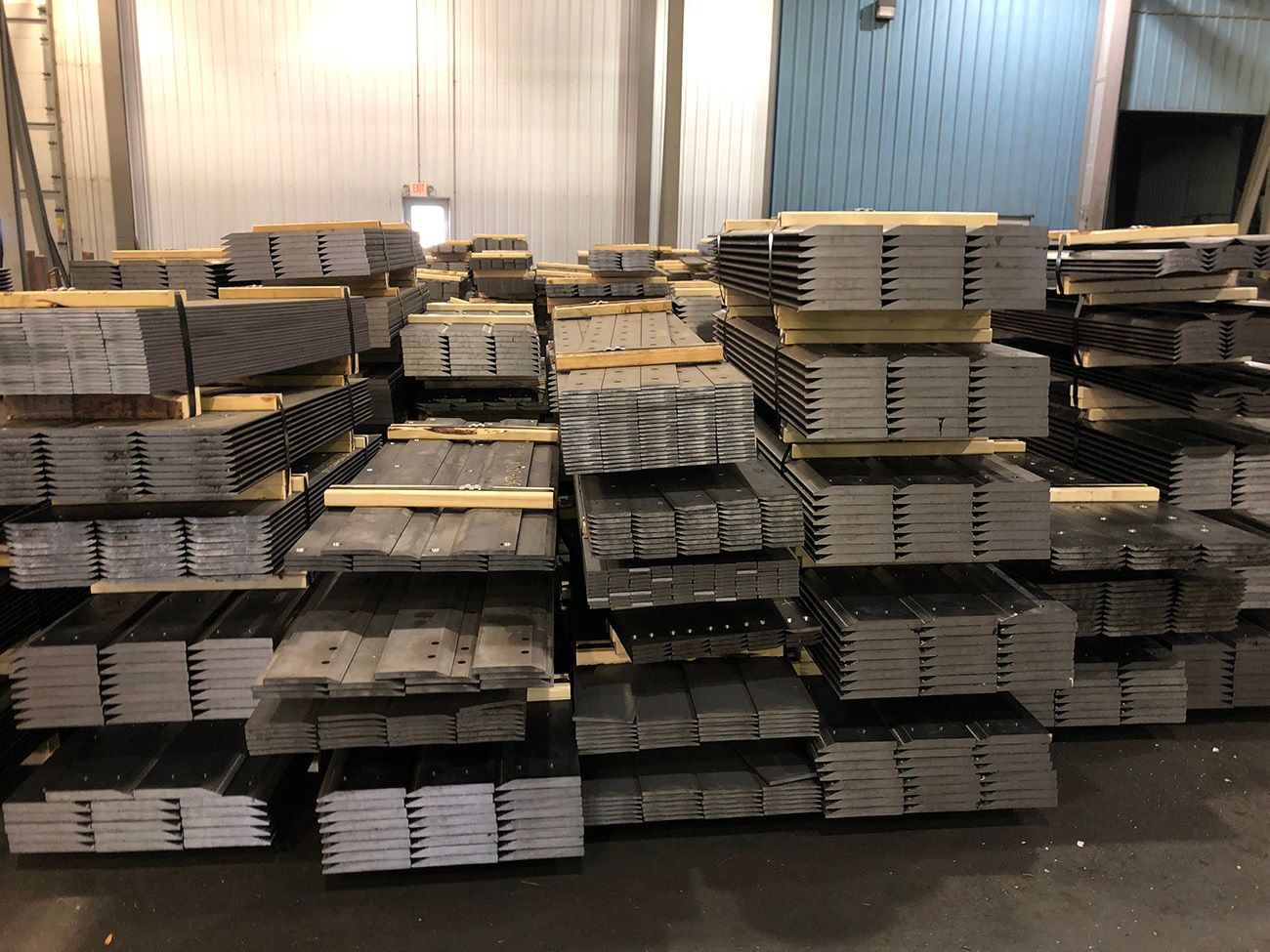
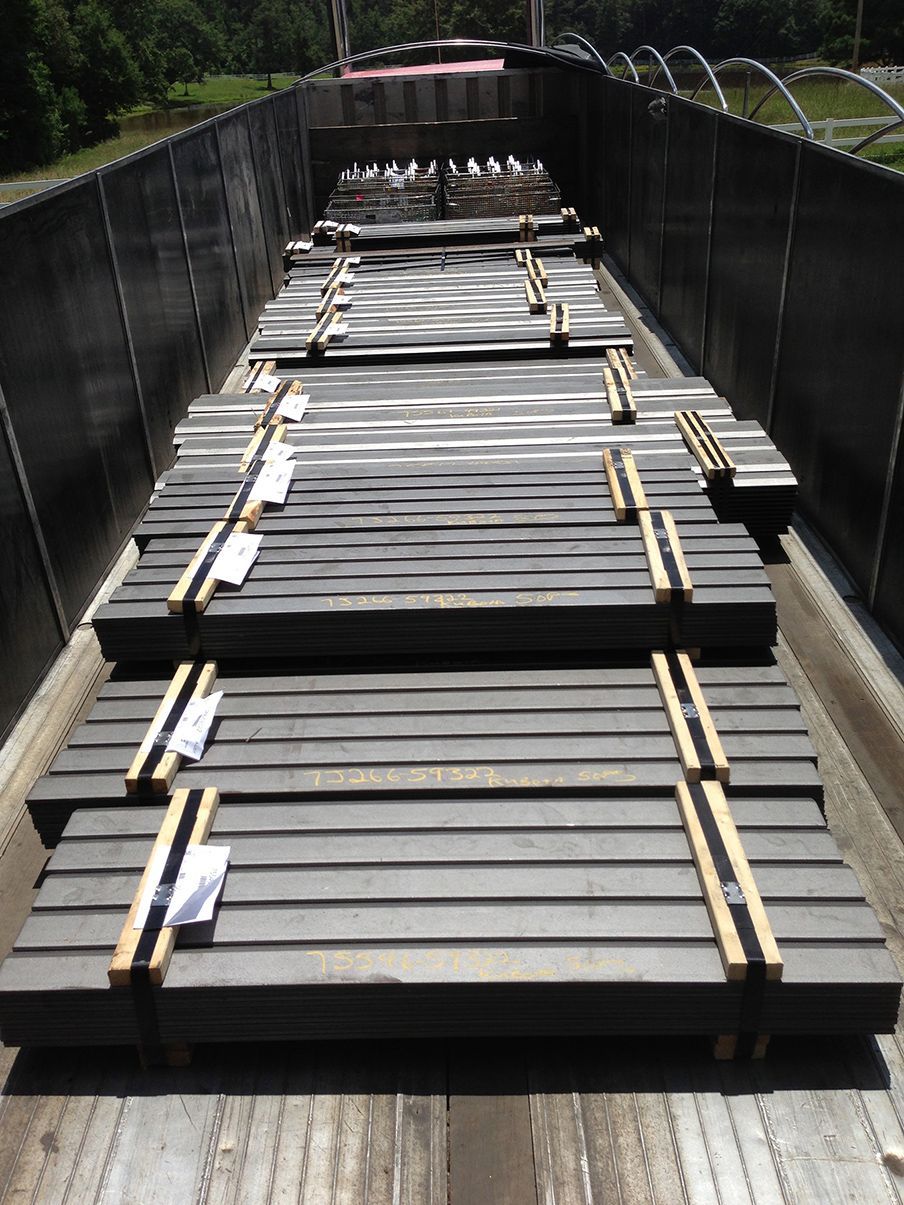
Grader Blade Barstock
At Ray-Mac Inc, we understand the importance of streamlined operations in manufacturing. Our barstock warehousing service offers a strategic solution for managing your raw material inventory. By purchasing your wholesale barstock from us, you can reduce overhead costs and ensure a steady supply of materials for your production needs.
Accessing High-Quality Cutting Edge Barstock
We pride ourselves on offering premium barstock that meets the highest industry standards. Our extensive inventory includes a wide range of materials, sizes, and specifications to suit diverse manufacturing requirements. Whether you need carbon steel, alloy steel, or specialty metals, Ray-Mac Inc has the grader blade barstock to meet your precise needs. Our commitment to quality ensures that you receive materials that are consistent, reliable, and ready for immediate use in your manufacturing processes.
Streamlining Your Business With Wholesale Barstock
By utilizing our wholesale barstock services, you can optimize your production workflow. We offer just-in-time delivery options, allowing you to receive barstock exactly when you need it. Our efficient order processing and delivery systems ensure that your production line never faces delays due to material shortages. Let Ray-Mac Inc be an extension of your supply chain, enhancing your operational efficiency and productivity.
Our Fabrication and Pricing Process
Understanding how warehouse pricing works helps buyers know what to expect when planning long-term material sourcing. At Ray-Mac, Inc, the fabrication and pricing process follows a structured approach built around consistency, predictability, and operational alignment. This process is designed to support customers who rely on wholesale barstock and warehouse pricing to maintain steady production without unnecessary disruptions or repeated renegotiation.
Rather than treating each order as an isolated transaction, warehouse pricing is approached as an ongoing relationship that balances production capacity, material availability, and customer demand. Each step in the process builds on the previous one, creating a clear framework that supports both planning and execution.
Initial Pricing Request Review
The process begins with a detailed review of the customer’s pricing request. This initial step focuses on gathering a complete picture of the customer’s anticipated needs rather than simply quoting a single order. Key considerations include estimated order volumes, preferred material dimensions, alloy requirements, and any applicable tolerances tied to the intended application.
Projected timelines are also reviewed at this stage. Customers sourcing grader blade barstock or other wholesale materials often operate on production schedules that extend months into the future. By reviewing anticipated delivery windows and usage rates early on, Ray-Mac, Inc can determine whether warehouse pricing aligns with both customer expectations and internal production planning.
This review phase establishes the baseline assumptions that guide pricing discussions. It also helps identify whether a warehouse pricing structure is appropriate or if an alternative purchasing arrangement would be more suitable based on volume or variability.
Volume and Specification Assessment
Material type and quantity play a central role in warehouse pricing decisions. Requests involving grader blade barstock are evaluated with close attention to production requirements, dimensional consistency, and expected drawdown rates from inventory. Higher volumes with predictable usage patterns tend to align well with warehouse pricing structures, as they support efficient production runs and inventory planning.
Specification assessment goes beyond basic measurements. Material grade, finish requirements, and fabrication tolerances are all factored into pricing considerations. These elements directly influence production time, tooling requirements, and quality control processes. By evaluating specifications alongside volume, pricing can reflect the true manufacturing scope rather than relying on generalized estimates.
This assessment supports pricing that aligns with actual manufacturing capacity while providing customers with a clear understanding of how their material requirements influence cost structure over time.
Warehouse Allocation and Scheduling
Once pricing parameters are established, warehouse allocation and production scheduling are evaluated. This step focuses on aligning fabrication output with storage capacity and customer timelines. Materials designated for warehouse pricing are produced with the intention of being held in inventory until released according to agreed schedules.
Warehouse allocation planning allows Ray-Mac, Inc to balance available space with incoming production runs. By coordinating fabrication timing with inventory storage, materials can be staged efficiently without creating bottlenecks or delays. This approach supports smoother fulfillment when customers request releases from warehouse stock.
Scheduling considerations also factor in production sequencing. Predictable warehouse programs allow fabrication to be integrated into broader manufacturing workflows, supporting steady output rather than reactive production shifts.
Ongoing Pricing Support
Warehouse pricing is structured to support continuity rather than short-term purchasing decisions. Customers sourcing wholesale barstock benefit from consistent pricing frameworks as long as agreed volumes, specifications, and timelines remain in place. This stability supports budgeting and forecasting without the need for frequent price reviews.
Ongoing pricing support also includes communication around changes that may affect future pricing, such as material market shifts or specification adjustments. By maintaining open dialogue, both parties can address potential impacts early rather than reacting after disruptions occur.
This consistency is especially valuable for customers who depend on wholesale barstock programs to support steady production schedules, cost forecasting, and long-term material planning without frequent pricing adjustments.
Quality and Inventory Standards
Quality and consistency are foundational elements of warehouse pricing programs. Internal standards guide material selection, fabrication processes, and inspection protocols to support predictable outcomes across production runs. Maintaining consistent quality reduces variability for customers who rely on repeat orders drawn from warehouse inventory.
Standardized fabrication processes help align each production batch with prior runs, supporting interchangeability and performance expectations. This consistency is particularly important for customers integrating grader blade barstock into downstream manufacturing or assembly processes.
Inventory standards also play a role in maintaining material condition during storage. Proper handling, labeling, and organization support traceability and help preserve material integrity over time.
Inventory Management and Tracking
Warehouse inventory is actively managed to support availability and alignment with pricing agreements. Inventory levels for wholesale barstock are tracked against anticipated usage, allowing adjustments to production schedules when necessary. This approach helps maintain readiness without overproducing or understocking.
Tracking systems link inventory quantities to pricing parameters, supporting transparency between stored material and contractual expectations. Customers benefit from clearer visibility into available stock and release timing, while internal teams maintain alignment between production output and storage commitments.
Effective inventory management supports reliable fulfillment and reinforces confidence in warehouse pricing arrangements.
Fabrication Consistency Across Orders
Repeatability is a key factor in long-term customer relationships built around warehouse pricing. By maintaining consistent fabrication methods, Ray-Mac, Inc supports customers who depend on predictable grader blade barstock characteristics across multiple releases and production cycles.
Consistent tooling, controlled processes, and standardized inspections contribute to uniform results. This repeatability reduces the need for adjustments or requalification when grader blade barstock is pulled from warehouse inventory over time.
This structured approach is particularly beneficial for customers sourcing grader blade barstock, as it supports repeatable fabrication, predictable inventory levels, and dependable material availability across ongoing production cycles.
Take the Next Step Towards Optimized Inventory Management
Ready to revolutionize your approach to wholesale barstock management? Contact Ray-Mac Inc today to discuss your specific needs and learn more about our services. Our team is prepared to provide you with a tailored solution that addresses your unique challenges and supports your business goals. Let's work together to enhance your manufacturing efficiency and drive your success in the industry.
Share On: