
Curved vs. Flat Cutting Edges: Which Design is Right for Your Next Job?
Selecting the right equipment modifications can drastically change the efficiency and outcome of any heavy-duty scraping, grading, or plowing project. Whether you are managing winter roads or leveling a construction site, the physical shape of your blade component dictates how your machinery interacts with the surface below. Choosing between a curved and a flat profile is more than just a matter of personal preference; it is a technical decision based on the specific material you need to move and the surface conditions you expect to encounter.
Understanding the Mechanics of a Curved Surface Blade
A curved blade design is engineered primarily to create a rolling action when it makes contact with loose materials. As the machinery moves forward, the unique curvature forces soil, gravel, or snow to curl inward and upward, traveling across the face of the moldboard rather than packing tightly against it. This continuous movement reduces the overall resistance against the vehicle, allowing the equipment to maintain momentum without overloading the engine. Utilizing a curved cutting edge helps prevent material from spilling over the top of the moldboard, which keeps the workspace cleaner and reduces the number of passes required to clear a path. This design proves especially advantageous when dealing with cohesive soils or wet, heavy snow that tends to stick to flat surfaces.
Knowing When to Deploy a Flat Profile Surface
Flat profiles are built for stability, rigidity, and maximum downward pressure across a uniform surface area. Unlike curved versions, a flat cutting edge is intended to scrape directly along a plane, making it excellent for heavy-duty leveling, packing, and hard-packing removal. The blunt structural footprint distributes the weight of the machine evenly, allowing the operator to shave off high spots in dirt or ice with great precision. Because the face of the blade remains uniform from end to end, it maintains consistent contact with the ground, preventing the machine from gouging too deeply into soft spots. This makes the flat configuration a standard selection for secondary road maintenance and final site preparations where exact elevations are mandatory.
Understanding Bevel Configurations and Material Penetration
The angle at which the blade is ground plays a massive role in how deeply the equipment can penetrate a hardened surface. According to Fortisblades.com, a single bevel blade is a type of blade that has only one angle ground on the cutting edge. This specific geometry provides a sharp, aggressive point of entry that cuts through packed materials with minimal resistance. When applied to a curved or flat base, a specialized cutting edge with a single bevel can slice through frozen earth or compacted gravel efficiently. Choosing the appropriate bevel type ensures that the machinery does not bounce or skate across the top of hard ground, keeping the operation safe and precise.
Considering Impact Resistance and Shock Absorption Properties
Heavy machinery frequently encounters hidden obstacles beneath the surface, such as buried rocks, utility caps, or frozen ruts. A flat cutting edge generally offers superior resistance to structural bending because its thicker, uniform cross-section absorbs sudden impacts evenly across the entire support beam. Curved alternatives, while excellent for material flow, can be more vulnerable to twisting forces if one corner strikes a solid object at high speed. Operators must weigh the likelihood of encountering sub-surface hazards when choosing which style to install on their fleet. Selecting a resilient cutting edge material reduces the risk of sudden cracking or shattering during demanding winter operations.
Optimizing Fuel Efficiency Through Blade Design
The resistance generated between your machinery and the ground directly impacts how much fuel your vehicle consumes during a shift. Because a curved cutting edge encourages material to roll effortlessly, it minimizes the mechanical drag placed on the tractor or truck. This reduced friction means the engine does not have to work as hard to push a full load, leading to lower fuel consumption over long hours of operation. In contrast, a flat profile pushes material forward rather than rolling it, creating a bulldozing effect that requires more horsepower. For large-scale projects spanning hundreds of miles, selecting a rolling design can yield noticeable savings on your fuel budget.
Considering Surface Wear Patterns and Longevity Factors
As work progresses, blades wear down unevenly depending on how they interact with the pavement or soil. A flat cutting edge tends to wear down uniformly across its entire length, provided the operator maintains a level angle during use. This even wear pattern extends the usable life of the component, allowing the fleet to get more hours of operation before needing a replacement. A curved cutting edge often experiences concentrated wear along the center or the bottom tip, depending on the tilt of the moldboard. Monitoring these wear patterns closely helps managers anticipate maintenance intervals and replace components before structural damage occurs to the moldboard itself.
Understanding the Role of Cutting Edges in Snow Removal
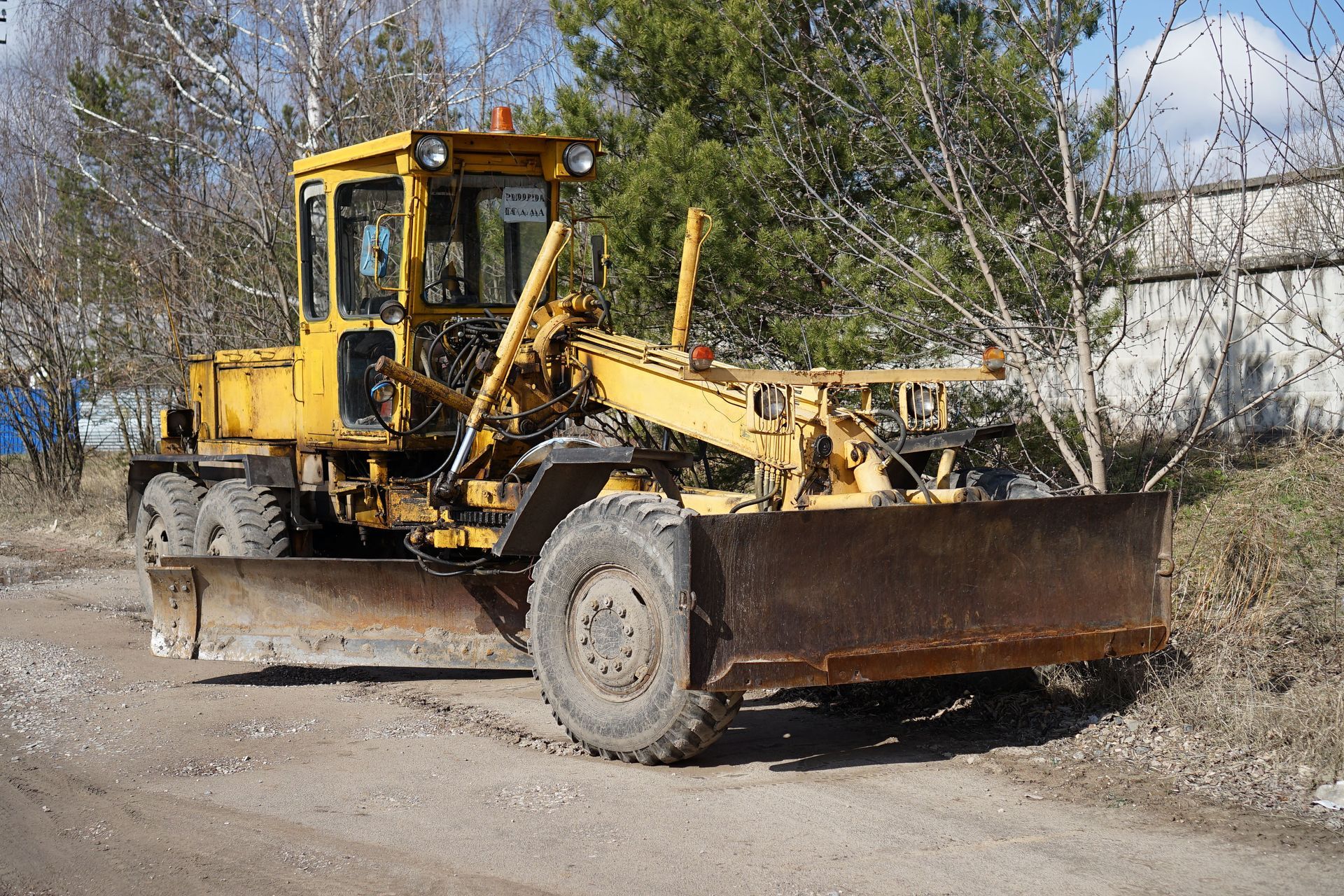
Winter maintenance presents a unique set of challenges where material density changes rapidly from light powder to solid ice. A curved cutting edge is highly effective for high-speed snow removal because the curling action throws the snow far to the side, clearing shoulders and preventing drifts from reforming on the roadway. When dealing with hard-packed ice that has been bonded to the asphalt by traffic, a flat cutting edge is often utilized to scrape the road down to bare pavement. Balancing these two needs requires a clear understanding of regional weather patterns and the expectations of local transit authorities.
Understanding Earthmoving and Construction Site Requirements
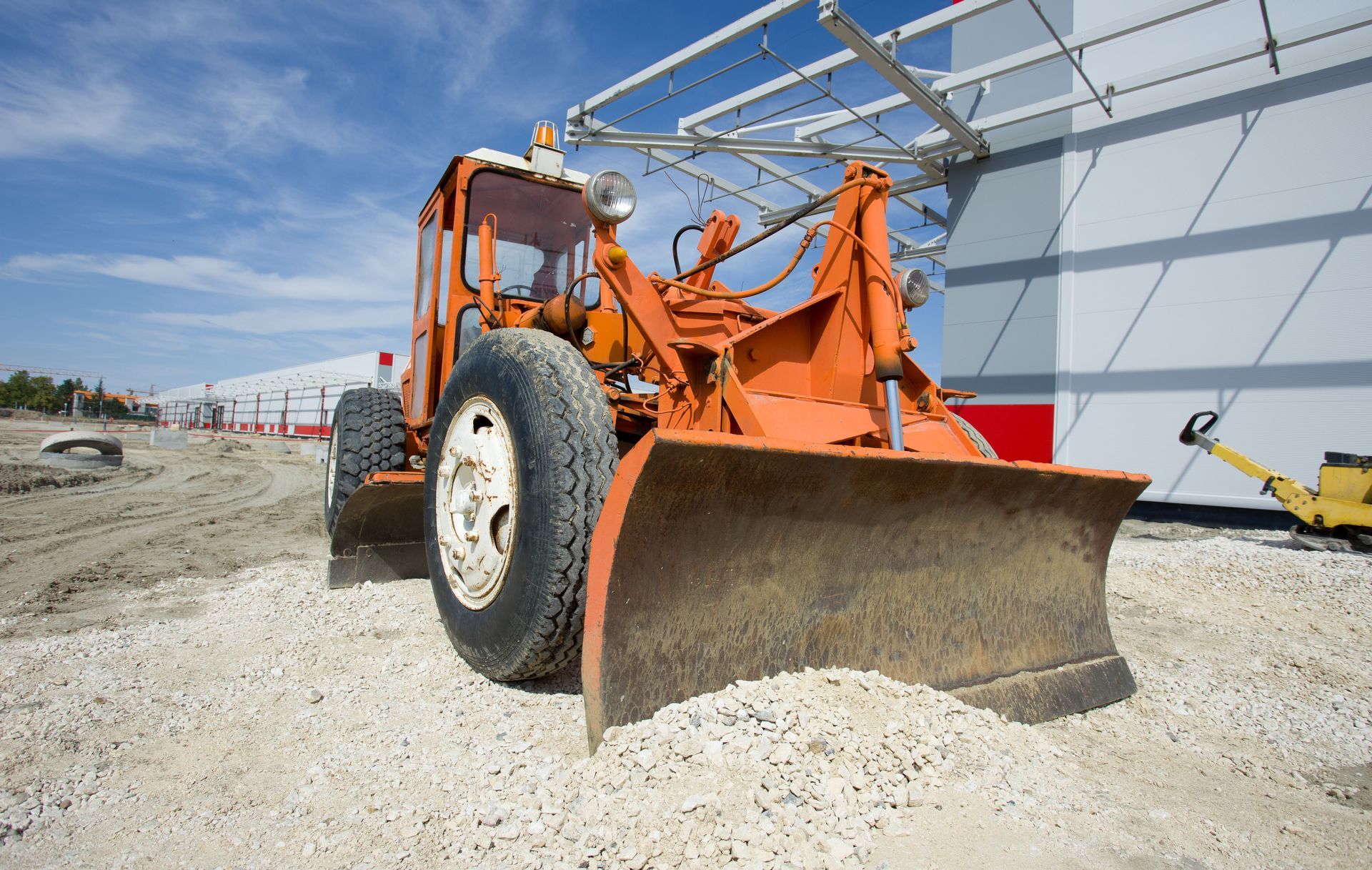
In construction and civil engineering, site preparation demands strict adherence to architectural blueprints and grading plans. A flat cutting edge provides the smooth, continuous contact area needed to eliminate ridges and fill in low depressions during the final grading process. This design helps operators establish a perfectly smooth foundation for pouring concrete or laying asphalt. For initial excavation and rough grading, a curved cutting edge can be used to rapidly move large quantities of topsoil and pile it into berms for later use. Matching the blade shape to the specific phase of construction ensures that the project remains on schedule.
Selecting Material and High Wear Alloys
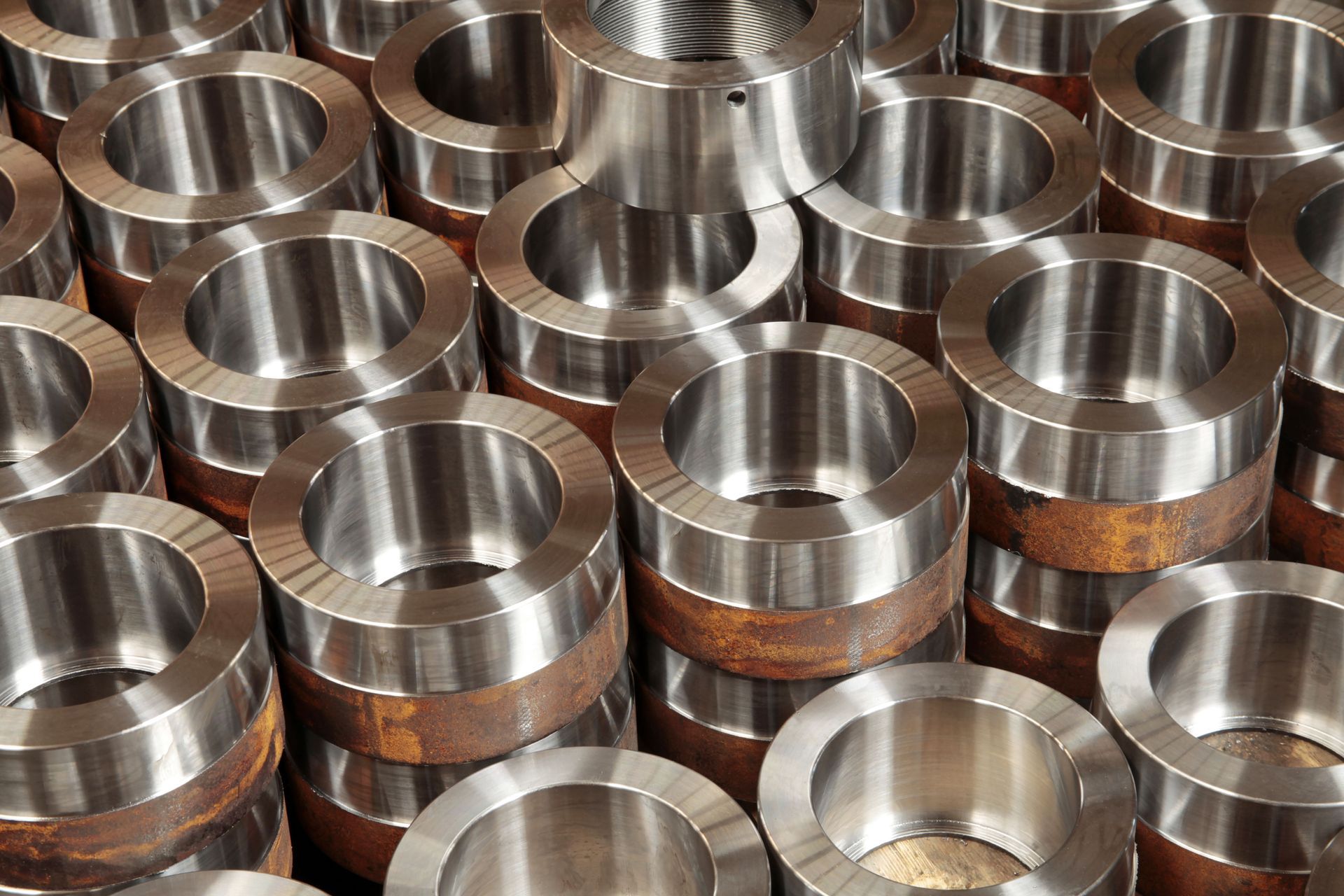
The base geometry of your blade is only as good as the metallurgy used to manufacture the component. Modern industrial operations utilize high-carbon steels, boron alloys, and carbide inserts to maximize the lifespan of each cutting edge profile. Carbide inserts embedded within a flat blade provide extreme resistance to asphalt abrasion, making them popular for highway maintenance. For high-impact environments where rock striking is common, hardened steel on a curved cutting edge offers the flexural strength needed to absorb shocks without breaking. Investing in premium material compositions keeps your machinery in the field and out of the repair bay.
Choosing the Right Setup for Your Fleet
Ultimately, the decision between curved and flat profiles depends on a thorough analysis of your primary applications, vehicle power, and typical surface conditions. Many fleet operations choose to maintain an inventory of both styles, allowing them to adapt their machinery as seasons change and project requirements shift. Swapping to the correct cutting edge for a specific task ensures that your equipment operates within its designed performance parameters. This proactive approach reduces mechanical strain, improves operator comfort, and delivers a superior finish on the job site. Consulting with experienced fabrication professionals can provide valuable insights into which geometry fits your specific machinery setup.
Achieving optimal results on the job site requires careful attention to every component of your machinery, especially the parts that make direct contact with the ground. Choosing between a curved and a flat cutting edge involves balancing the need for material rolling efficiency against the demands for uniform surface contact and stability. By understanding how these different shapes affect fuel consumption, wear patterns, and material penetration, you can make an informed decision that protects your equipment and boosts your bottom line. Maintaining a high-quality cutting edge on your machinery is an investment in productivity, safety, and operational excellence. When you need durable, precision-engineered manufacturing solutions for your industrial equipment, contact Ray-Mac, Inc. to explore a full range of high-performance options tailored to your operational needs.

Share On: