
The Role of a Grader Blade Manufacturing Company in Land Leveling
Land leveling is more than just flattening fields. It’s about creating the right conditions for crops to thrive, making irrigation efficient, and reducing unnecessary wear on equipment. While farmers might see the results on the surface, the unsung hero behind this transformation is often a grader blade manufacturing company. These companies design, craft, and refine the tools that make land leveling precise and effective, shaping the landscape for healthier crops and smoother operations. Understanding how these companies contribute helps highlight their importance in modern agriculture, especially as farms aim for higher yields and more sustainable practices.
Understanding How Land Leveling Impacts Crop Growth
When you walk through a farm, it might look like the fields are already ready for planting. But uneven soil can hide serious problems. Water can collect in low spots, leaving other areas too dry, which stresses plants and reduces growth. According to the USDA Agricultural Research Service's 2024 field leveling analysis, grader blades improve irrigation uniformity by 40%, eliminating water pooling that reduces crop yields by up to 25% on uneven farmland.
The role of a grader blade manufacturing company becomes crucial here because the precision of the blades determines how effectively water flows across the field. A slightly misaligned blade can leave ridges or depressions that disrupt irrigation, causing certain sections to get too much water while others get too little. Farmers often rely on expert recommendations when selecting blades, ensuring that their graders can create even, functional surfaces. Over time, this consistent irrigation can boost overall soil health, allowing plants to establish stronger root systems and withstand seasonal variations more effectively.
Exploring the Design of Durable Grader Blades
Not all grader blades are made alike. The durability, shape, and sharpness of a blade determine how efficiently it can move soil and maintain field contours. A grader blade manufacturing company spends considerable time engineering blades to handle different soil types, whether sandy, clay-rich, or loamy.
Designing durable blades is a careful balance. They need to be tough enough to handle rocky soils without chipping, but flexible enough to contour to softer surfaces without creating unnecessary gouges. Some companies experiment with different edge profiles or varying thicknesses along the blade to optimize performance in specific conditions. They also work closely with equipment manufacturers to ensure compatibility with different graders. The result is a tool that can move earth efficiently, handle repeated use, and deliver predictable outcomes every time it’s used.
Evaluating the Importance of Material Selection
Material selection is more than just choosing a strong metal. It’s about finding a balance between toughness, flexibility, and abrasion resistance. A grader blade manufacturing company studies soil conditions, seasonal wear patterns, and environmental factors to ensure that the blades will perform consistently over time, even under challenging conditions like rocky terrain or highly compacted soil.
Many companies now integrate modern metallurgical techniques, like heat treatments or specialized coatings, to enhance longevity. These processes prevent rapid wear in abrasive soils and allow the blades to maintain sharp edges longer. The right material can also reduce the energy needed for grading, meaning tractors expend less fuel moving the same amount of soil. In addition, carefully selected materials can improve corrosion resistance and minimize the risk of unexpected fractures during operation. Ultimately, this careful attention to materials protects both the blade and the machinery it operates on, saving farmers time, effort, and maintenance costs over the long term.
Recognizing the Impact on Farm Efficiency
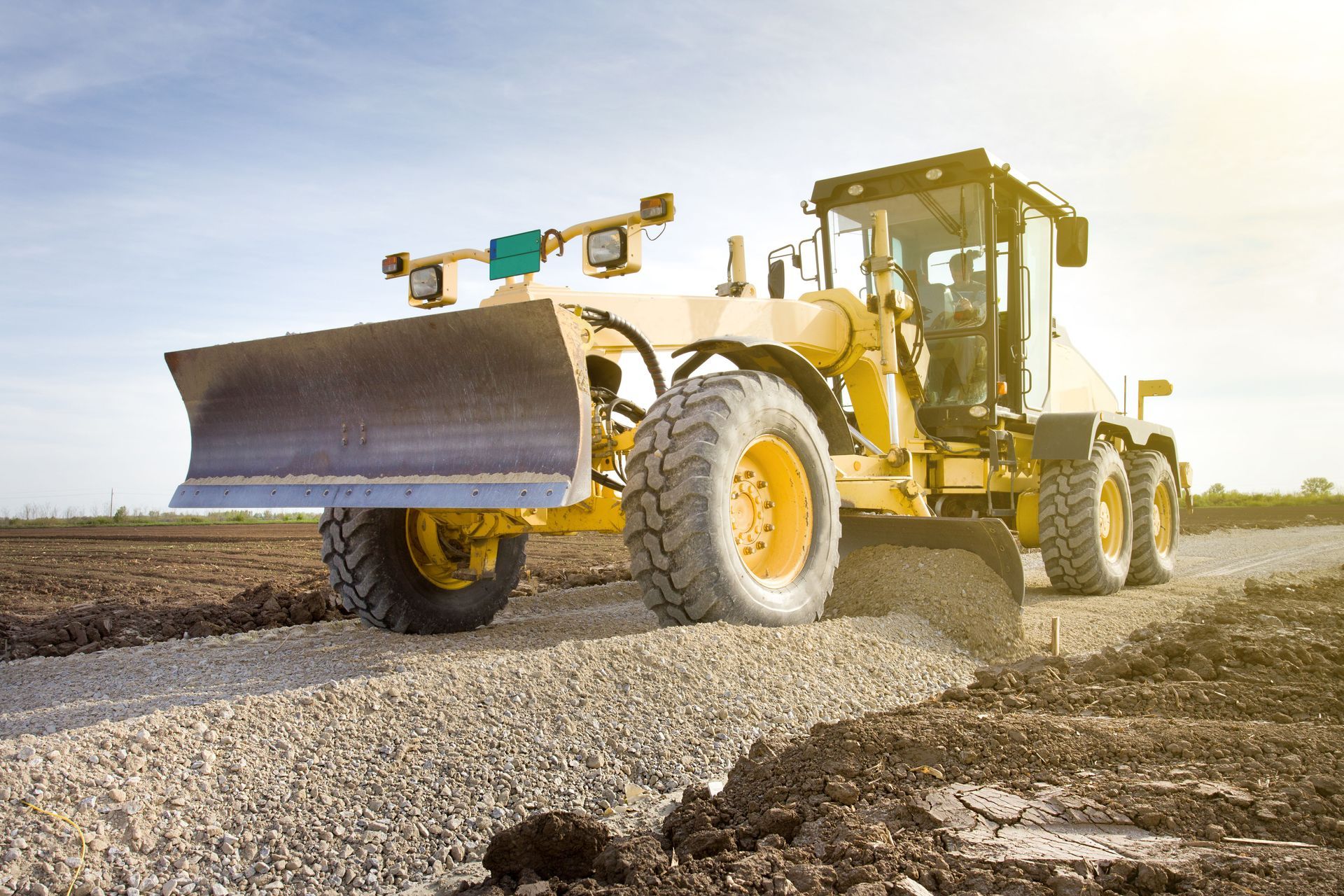
When a field is leveled correctly, every part of the operation benefits. Irrigation systems can work as intended, planting equipment operates more smoothly, and soil erosion is minimized. A grader blade manufacturing company directly contributes to this efficiency by supplying blades that allow graders to perform precise cuts, reducing the number of passes needed over the same area. This precision also helps preserve the natural contours of the land, preventing unnecessary soil displacement and maintaining healthy topsoil layers.
Fewer passes across the field don’t just save fuel — they also reduce soil compaction, which can negatively affect root development. A well-level field ensures that seed placement is consistent and that planting machinery doesn’t have to compensate for uneven ground. In addition, consistent grading reduces the stress on tractors and other heavy equipment, minimizing mechanical issues over time. The improved efficiency allows farmers to allocate labor more effectively, plan irrigation schedules with greater confidence, and even respond faster to unexpected weather events. All these factors together help farmers maintain a steady workflow and focus on other aspects of crop management, knowing the field is properly prepared.
Highlighting Advances in Blade Technology
Modern grader blades incorporate improvements that a decade ago seemed futuristic. From hardened alloys to specialized coatings, innovations in blade technology make leveling faster and more accurate. A grader blade manufacturing company is often at the forefront of these innovations, combining engineering knowledge with feedback from farmers and operators.
Some blades now feature designs that reduce soil sticking or improve self-sharpening during use. Others include modular components that allow sections to be replaced instead of the entire blade, saving money and reducing downtime. These technological advances are essential for large-scale operations, where efficiency and precision directly influence profitability. By continuously improving blade design, manufacturing companies help farmers meet the increasing demands of modern agriculture without sacrificing soil health or operational reliability.
Explaining How Blades Influence Soil Health
It’s easy to think of blades as only shaping the surface, but they also affect the underlying soil health. By promoting consistent grading, these tools prevent waterlogging and reduce soil compaction, which can stress root systems. A manufacturing company considers these factors during design, ensuring that its blades promote long-term soil viability while delivering immediate field-leveling results. Well-designed blades can even help maintain soil aeration, allowing beneficial microorganisms to thrive and supporting a healthier ecosystem beneath the surface.
Consistent grading also improves nutrient distribution across the field. When water flows evenly, fertilizers and amendments can penetrate the soil more uniformly, supporting plant growth. Over time, this reduces the risk of weak patches that are prone to disease or low yield. The thoughtful engineering of blades, combined with proper field management, ensures that each season brings healthier soil and stronger crops, creating conditions that benefit both plants and the overall farm ecosystem.
Appreciating the Partnership Between Manufacturers and Farmers
A strong relationship between manufacturers and farmers leads to more effective solutions. A grader blade manufacturing company doesn’t just sell tools; it often collaborates with operators to understand the challenges they face in specific soil types and climates. This feedback loop allows companies to refine blade designs, ensuring that each new model performs better in real-world conditions.
Farmers who communicate their needs can influence blade features, from edge design to material composition. Manufacturers benefit by learning which innovations deliver practical improvements, while farmers gain equipment tailored to their land’s specific challenges. These partnerships emphasize the human side of manufacturing — understanding, listening, and responding to real-world conditions rather than simply producing standardized equipment.
Land leveling may seem like a simple step in farming, but it’s a process that combines science, engineering, and practical experience. A grader blade manufacturing company brings all these elements together, turning raw materials into precise tools that shape the land and support sustainable crop production. To enhance your land preparation with expertly crafted blades, connect with Ray-Mac, Inc. for guidance and solutions.
Share On: