
10 Facts About Powder Coating and Its Uses
When looking at the sleek, smooth, and incredibly resilient finishes on everything from heavy industrial equipment to everyday metal furniture, you are often looking at the work of powder coating. This finishing method has transformed how modern manufacturers approach product design, durability, and surface protection. Unlike conventional liquid paints, this process relies on dry particles applied through electrostatic charge and fused under heat to create an unbroken barrier. As companies seek ways to improve product longevity and reduce production turnaround times, partnering with a contract manufacturing provider offers direct access to advanced finishing capabilities without heavy infrastructure investments. Understanding how this process functions, where it fits within broader production, and why it outperforms traditional finishes gives actionable insight into modern fabrication standards. Here are ten fundamental facts about powder coating, its practical applications, and its role in modern manufacturing operations.
1. Origins and Evolution of Dry Finishing
The concept of applying dry resin particles to metal surfaces first emerged in Europe during the 1950s as a cleaner, more efficient alternative to liquid painting. Early implementations relied on fluidized bed application, where heated metal parts were dipped into a bed of suspended powder particles. By the late 1960s, the introduction of electrostatic spray guns revolutionized the process, allowing cold metal parts to attract charged powder evenly across complex geometries. As global industrial output expanded, incorporating powder application within contract manufacturing environments allowed facilities to scale production while adhering to stricter finishing standards. Modern formulations now include precise blends of resins, pigments, leveling agents, and curing modifiers that deliver consistent aesthetic and functional properties across diverse production runs.
2. Electrostatic Application and Its Operation
The core mechanism behind powder finishing relies on electrostatics. Powder particles are conveyed through a spray gun where they receive a positive or negative electrostatic charge. The workpiece to be coated is grounded, creating an electrical field that naturally pulls the charged powder particles toward the part. This electrostatic attraction ensures that powder reaches hidden crevices, sharp edges, and recessed channels that liquid paint often misses. Facilities offering contract manufacturing solutions use automated spray booths equipped with reciprocal gun movers to ensure uniform film thickness across every item. Once coated, the components move into a curing oven where the powder melts, flows, and chemically crosslinks into a continuous, solid film layer.
3. Thermosetting and Thermoplastic Powders
Powder coatings generally fall into two distinct chemical categories: thermosetting and thermoplastic formulations. Thermosetting powders, which include epoxies, polyesters, and hybrids, undergo irreversible chemical crosslinking when exposed to heat during curing. This chemical reaction creates a heat-stable layer that will not melt if reheated, making it ideal for components subjected to harsh operating environments. Thermoplastic powders, such as nylon, polyvinyl chloride, and polyethylene, melt and flow under heat without undergoing a chemical change, allowing them to be remelted if heated again. Choosing the correct formulation within a contract manufacturing workflow depends entirely on the mechanical demands, thermal limits, and environmental conditions the final part will face.
4. Market Impact and Industrial Adoption
The rapid adoption of dry finishing techniques across consumer goods, automotive parts, structural steel, and architecture highlights its operational dominance over liquid finishes. According to the Powder Coating Institute, powder finishing is used on a wide array of products, representing over 15% of the total industrial finishing market. This market share reflects growing recognition of the method's efficiency, consistency, and long-term performance. Manufacturing facilities that integrate finishing operations into their contract manufacturing capabilities provide clients with single-source efficiency, streamlining the movement from raw material processing to final surface finishing without intermediate logistics delays.
5. Environmental and Efficiency Benefits
One of the strongest arguments for dry powder finishing over traditional wet paint is its minimal environmental footprint and operational efficiency. Powder coatings contain zero volatile organic compounds and no solvent carriers, eliminating harmful air emissions and simplifying regulatory compliance. Furthermore, oversprayed powder inside a containment booth can be collected, reclaimed, and mixed back into the feed hopper for future application, yielding material utilization rates above 95 percent. Businesses seeking sustainable supply chain solutions frequently rely on contract manufacturing partners that utilize powder coating to meet strict corporate environmental goals while reducing material waste costs.
6. Superior Durability and Chemical Resistance
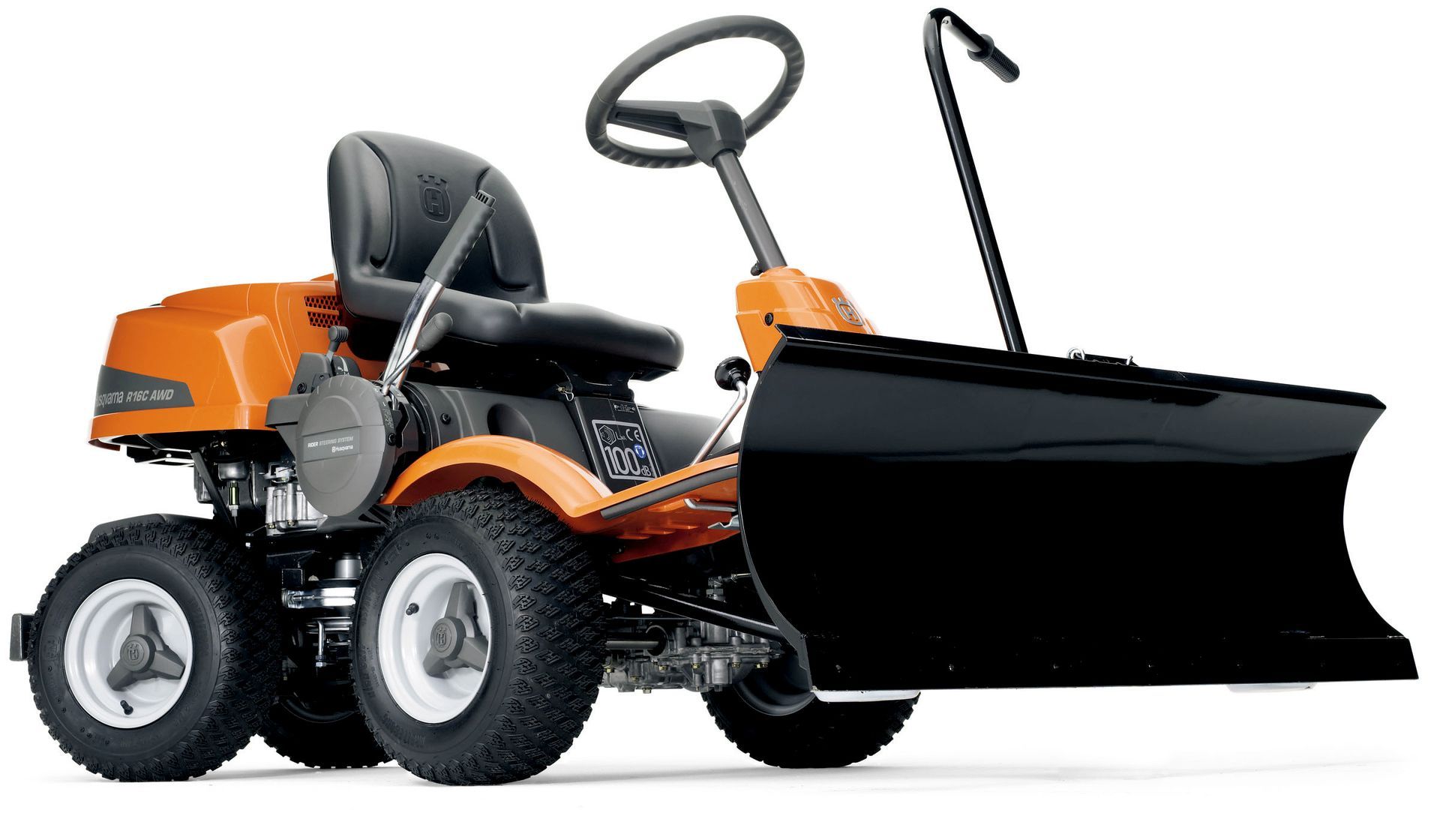
The crosslinked film created during the heat curing cycle results in a finish that easily outperforms standard liquid paints in physical stress tests. Cured powder coatings exhibit exceptional resistance to impact, scratching, chipping, abrasion, and chemical exposure. This mechanical toughness stems from the high molecular weight of the polymer resins used in the formulations. Parts destined for outdoor exposure or heavy mechanical use, such as agricultural machinery, construction equipment, and chassis components, rely on this surface barrier to prevent underlying corrosion. Utilizing contract manufacturing services ensures that pre-treatment steps, like blast cleaning and iron phosphate washes, are handled systematically to maximize surface adhesion.
7. Aesthetic and Functional Finishes
Powder coating offers extensive design versatility through a wide array of colors, gloss levels, textures, and special effects. Formulations can produce ultra-high gloss reflective surfaces, muted matte finishes, or tactile textures like wrinkle, hammer-tone, and coarse grit. Beyond visual appearance, functional additives can impart specific physical characteristics, including anti-microbial properties, electrical insulation, anti-graffiti resistance, and solar heat reflection. Design teams working with a contract manufacturing partner can tailor finish specifications to match brand guidelines while selecting precise functional traits that enhance the end-user product experience.
8. Automotive and Transportation Industries
The transportation sector was an early adopter of dry powder finishing due to the severe environmental demands placed on vehicles. Underbody components, coil springs, engine blocks, brake calipers, aluminum wheels, and exterior trim panels regularly receive powder treatments to resist road salt, gravel strikes, grease, and moisture exposure. Automotive supply chains rely heavily on contract manufacturing facilities to maintain strict quality management systems and rapid turnarounds. By applying powder finishes to structural and decorative components, vehicle makers guarantee that critical assemblies maintain structural integrity and visual appeal throughout years of operation.
9. Architectural and Structural Metals
Architectural elements such as curtain walls, window frames, fencing, light poles, and outdoor furniture require finishes that endure decades of continuous UV exposure and weather fluctuations. Architectural-grade polyester and fluoropolymer powders are formulated to resist chalking, fading, and degradation under intense sunlight. High-volume structural projects lean on contract manufacturing operations capable of handling oversized assemblies and lengthy extrusions. Proper surface preparation combined with weather-grade powder applications ensures long-term exterior performance while eliminating the need for frequent site maintenance or repainting.
10. Appliance and Consumer Product Fabrication
Everyday household products depend heavily on powder finishes for both hygiene and everyday durability. Refrigerators, washer drums, dryer cabinets, dishwasher racks, microwave cavities, and range tops feature powder-coated metal panels that withstand heat, detergent exposure, moisture, and frequent impact. Integrating metal forming, welding, and automated powder finishing into a unified contract manufacturing strategy allows appliance brands to scale output while maintaining uniform finish quality across thousands of identical units. The resulting non-porous finish makes consumer products easy to clean and resistant to corrosion over years of continuous household use.
From heavy agricultural machinery and automotive assemblies to architectural structures and household appliances, powder coating has established itself as an essential finishing process across modern industry. Its unique combination of electrostatic efficiency, environmental compliance, superior impact resistance, and visual versatility makes it an ideal choice for protecting metal components. Integrating professional powder application into a broader contract manufacturing pipeline ensures consistent quality, optimized material usage, and long-term component performance across any production volume. To explore how professional finishing solutions can elevate your production line, contact Ray-Mac, Inc today to discuss your project requirements with an experienced team.

Share On: